Sunday, 11 June 2017

Say Goodbye To Sleepless Nights

We can get too preoccupied during the day and do so many things at once that it can leave us exhausted by the end of the day. Being busy is not only a good thing because it indicates how productive we are but it can also ensure we sleep soundly at night out of pure exhaustion. If only that is true all the time then life would be so much easier. However, there are people suffering from sleep disorders that keep them tossing and turning at night even though they have been through a lot during the day.

And it no longer comes surprisingly that many people actually suffer from these disorders like insomnia and sleep apnea - characterized by loud snoring - than many would like to admit. Men are mostly diagnosed with sleep apnea, meaning there are countless wives out there all over the world who have to endure their husband’s loud snoring but still manage to like being around them. Sleep clinics do help quite a bit. However, sleep apnea poses far more danger than just losing sleep at night.

Do you feel tired and just “unrested” even after what seemed like a good night’s sleep? Have you been told you snore very loudly and toss and turn all night? Do you find that you wake up with a dry, sore throat or a headache? Or that you feel yourself nodding off during daytime hours? You could have a very common – but very serious –sleep disorder called sleep apnea.

Sleep apnea occurs when a person’s breathing stops repeatedly during their sleep, sometimes hundreds of times. This means the brain may not get enough oxygen and definitely never gets enough rest. Obstructive sleep apnea, the most common form of apnea, is caused by the soft tissue in the back of the throat collapsing during sleep, which blocks the airway and can cause loud snoring.

(Via: http://www.orlandomagazine.com/Blogs/Metropoly/April-2017/Health-Hub-Sleep-Apnea/)

Fortunately, there are many ways to combat sleep apnea. Modern science now offers various sleeping disorder treatments than snorers had access to in the past. From handy anti-snoring mouthguards and mouthpieces to more old-school treatments like CPAP, snorers now have a better chance at beating sleep apnea for good and are able to sleep again without having to worry about snoring ever. However, alternative treatment is also available for those who don’t mind to experiment with newer technologies.

If you are having trouble getting your sleep in, you may want to try calcium and magnesium supplements both are natural sleep aids (A deficiency in magnesium has been shown to cause insomnia and restless leg syndrome). Melatonin is also a supplement (not a vitamin), and is available without a prescription and is sometimes used by some people to help them fall asleep.
Remember, a good nights sleep will help you in your journey to better health, helping you lose weight, keep you more alert during the day, improve your memory, reduce inflammation and reduce stress. Good-night and sleep well my friends.

(Via: http://valleypatriot.com/sleep-yourself-to-better-health/)

We all think of gadgets as bad for our health especially that it takes our time away from sleep aside from the unnecessary exposure to dangerous radiation. However, there is a way to make gadgets work for you and help you sleep better.

We’re losing sleep over … sleep.

Blame it on job stress or the circadian-rhythm-wrecking blue light of cellphones and tablets, but studies show that nearly half of Americans don’t sleep well and that significant percentages of us suffer from chronic insomnia and sleep apnea, and that causes us to turn to prescription sleep aids. This lack of overnight recovery creates stress, ruins productivity and batters your health.

And here are a number of smart gadgets you can use to help you sleep better and soundly at night:

  1. Smart Pajamas

  2. Smart Breathing

  3. Smart Aromas

  4. Smart Music

  5. Smart Pillow

  6. Tiny Sleep Tracker

  7. Whole-body Magnetic Resonance

  8. Smart Mattress

  9. Smart electro-strap

  10. Smart Bed

(Via: http://www.latimes.com/health/la-he-high-tech-gear-to-help-you-sleep-20170408-story.html)

The market is full of amazing and innovative products and gadgets that can help everyone who suffers from the lack of sleep caused by these various sleeping disorders. There is something for everybody at a price you can afford. No need to suffer from the inconvenient CPAP or undergo invasive surgeries to improve sleeping and breathing during sleep. Now you know that not all gadgets are distractions to our sleep if you just know which gadgets to avoid come bedtime and which ones to use.

Say Goodbye To Sleepless Nights is available on The Snoring Mouthpiece Review Blog


source https://snoringmouthpiecereview.org/blog/say-goodbye-to-sleepless-nights

Monday, 5 June 2017

Is Sleeping The Holy Grail Of Health?

A good eight-hour sleep each night can do wonders to your health and well-being. Imagine how energized you feel after waking up fully recharged and ready to take on the world. It is the best medicine anyone can get to help keep them moving on with life no matter what life throws at you. So, don’t compromise your sleep or risk not only losing your precious sleep but experience how your health deteriorates if you constantly pull frequent all-nighters.

Nobody is in charge of your health than yourself. If you don’t take care of it, nobody will. Many important body processes happen when we sleep. Important growth hormones are released to promote normal growth and development especially for growing kids and adults can benefit a lot from it too. Sleep is the most important luxury most adults long for especially that adulting takes too much of their time away from home and lose precious sleep.
Not getting a good night's sleep can have a negative impact on a person's health. Studies have shown that not sleeping enough or having a sleep disorder, such as sleep apnea, can lead to hypertension, prediabetes, and other cardiovascular problems, according to Dr. Alcibiades Rodriguez, assistant professor of neurology and medical director of the NYU Langone Comprehensive Epilepsy Center-Sleep Center.

Quality and quantity of sleep should be taken into account, Dr. Rodriguez said. Most people should sleep between 7 and 9 hours a night. That can be hard for some, but the type of mattress and pillow you use can help. Dr. Rodriguez said a perfect mattress or pillow for everyone doesn't exist because comfort depends on the person and their needs. For example, if someone needs neck support they may need a firm pillow that can hold up their head.

(Via: http://www.fox5ny.com/news/247298450-story)

However, getting a good night’s sleep becomes more challenging by the day as tech distractions keep us wide awake during the wee hours of the morning. We can’t stop fiddling with our smart gadgets and not only do we lose precious sleep but expose ourselves to too much blue light as well – a very short wavelength with higher energy that has a negative impact on your health and sleeping pattern.

It’s no secret that a good night’s sleep can do wonders for your mood. Now, a new study shows that improving your Z's over time is associated with better health and well being. In fact, researchers say, scoring better shuteye perks up mental health as well as winning the lottery. (Yes, really!) 

The findings come from analysis of more than 30,500 British people who were followed for about four years. University of Warwick researchers found that people who reported improved quality of sleep over that time period, or who reduced the amount of sleep medications they took over that time, tended to also improve their scores on screening tests for physical and emotional health.

Overall, their mental health improvements over the four years were comparable to those seen in British lottery winners two years after hitting a medium-size jackpot worth up to about $250,000. So, to be clear, we're talking about a long-term mood boost—not the immediate euphoria of striking it rich.

Unsurprisingly, people whose sleep patterns got worse over the study period were more likely to see their physical and emotional health scores go down.

(Via: http://www.health.com/sleep/sleep-physical-mental-health-lottery)

There are various gadgets that help manage sleep disorders, so you don’t have to lay wide awake at night and wake up the following day grumpier than ever. All you got to do is get yourself checked and ask your doctor for the best solution to your sleeping woes.

A wealth of possible treatments from oral appliances, throat exercises, and nasal resistors (just to name) a few are available. However, some patients prefer not to use any attachments or devices while they sleep and opt for a surgical solution. And that is why I have a job…

In a likely oversimplified view, the problem of excessive narrowing during sleep is caused or worsened by an imbalance between the space size housed by the facial skeleton, the amount of soft tissue and fat contained by and around it, and the tone and strength on throat and tongue muscles. These factors interact and will lead me to choose among different strategies. There isn’t a perfect solution for all!

(Via: http://www.huffingtonpost.com/entry/precision-just-what-you-need-for-sleep-apnea-treatment_us_58cb4d9ee4b07112b6472c3b)

Sleep apnea is the most common sleep disorder people complain of these days. And snoring is its annoying symptom that will make you want to sleep in a separate room, away from your snoring partner or just cover his/her face with a pillow, perhaps. However, it is actually a deadly condition that should not be taken lightly. People who snore has died from their sleep and it has happened many times over, it can happen to you too if you’re not careful enough.

You can choose from high quality anti-snoring mouthpieces and mouthguards that help reduce snoring and improve breathing or try other alternatives that include CPAP, throat exercises, and surgery among others. Sleep lost can never be regained. Make sure you get enough of that daily snooze so you function better during the day and stay as healthy as you can for as long as you can.

Is Sleeping The Holy Grail Of Health? is republished from The Snoring Mouthpiece Review


source https://snoringmouthpiecereview.org/snorerx/is-sleeping-the-holy-grail-of-health

Thursday, 1 June 2017

Fitbit Sleep Tracker: Track Sleeping And Monitor Snoring Easily

Technology is all around us. From the outside world to our very homes, we are surrounded by technology big and small. From the moment we wake up until we doze off for the night, our gadgets are the last thing we hold. It is no wonder why people have a hard time sleeping these days.

Our addiction to any smart gadget can’t be denied – whether it be a smartphone, tablet or iPad, smart TV, smart watch and so on. We have managed to integrate these technologies into our daily lives, which has a good and bad effect depending on the person. One of the inevitable consequences of too much technology use is losing precious sleep. But what if I tell you that you can actually make technology work for you, so you don’t compromise your health because of its use.

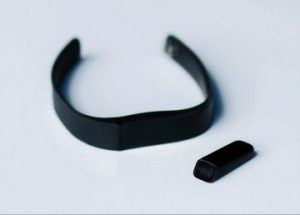
Fitbit wants to help you better understand your sleep patterns and quality. With its latest software update, you will be able to find out exactly how much REM, Deep and Light sleep you are getting each night.

Your kip time plays a vital role in good health and well-being throughout your life. Getting enough quality sleep at the right times can help protect your mental health, physical health, quality of life, and safety.

During sleep, your body is working to support healthy brain function and maintain your physical health. The way you feel while you’re awake depends in part on what happens while you’re sleeping. Better sleep starts by knowing what’s happening at night.

Its fair to say, Fitbit’s sleep statistics are not its strong point right now. They will tell you how long you slept, how many times you woke up and the number of times you were restless during the night.

(Via: http://gadgetsandwearables.com/2017/03/07/fitbit-sleep-tracking/)

We understand very well how important sleep is to stay strong and healthy. And discovering how we can benefit from Fitbit to managing normal sleeping patterns and maintaining excellent sleep quality aside from just working out is good news for all.

Fitbit, whose devices encourage people to walk 10,000 steps each day, now wants to put them to sleep as well.

The company said data collected by the millions of Fitbit trackers in use show that people are averaging less than seven hours of sleep a night. And the Zs people do get aren't necessarily the right kind of sleep.

So Fitbit will offer deeper sleep tracking on some of its devices.

Fitbits already track how much sleep people get and use sensors to measure periods of being awake or restless while in bed. Now, using a built-in heart-rate monitor, the devices will break sleep into clinically defined stages.

(Via: http://www.stuff.co.nz/technology/gadgets/90132149/fitbit-tracks-your-steps-now-it-wants-to-chart-your-sleep-too)

For individuals who may have some sleeping issues (not severe ones like sleep apnea) but are still hesitant to go to sleep clinics to get themselves checked, Fitbit may come in handy to let you know how you fare once the lights go out.

Finally, like all Fitbit’s trackers, the Blaze will also benefit from Sleep Stages and Sleep Insights. With this update, you will be able to find out exactly how much REM, Deep and Light sleep you are getting each night. The values are calculated by combining accelerometer data, heart rate variability (the time between beats), and Fitbit’s proprietary algorithms. You’ll also find your 30-day average and benchmarking stats.

Furthermore, the app will use all your activity and diet statistics to discover trends and then dish up personalized guidance on how to improve sleep. The more you wear your tracker to bed, the more personalized insights you may receive. You can choose to like or dislike each insight and send feedback directly to Fitbit’s team.

(Via: http://gadgetsandwearables.com/2017/03/28/fitbit-blaze-software-update/)

Fitbit is serious in helping people with fitness and sleeping issues as they continue to make helpful and relevant upgrades that take their service to the next level. Those who have no trouble sleeping may just shrug off technologies like these but they are actually helpful for those who struggle to get a good night’s sleep each day. At least, you finally have a better use for technology and not just for pure entertainment only.

Fitbit Sleep Tracker: Track Sleeping And Monitor Snoring Easily is republished from TSMR Blog


source https://snoringmouthpiecereview.org/sleep-health/fitbit-sleep-monitor

Tuesday, 30 May 2017

Fitbit Sleep Tracker: Track Sleeping And Monitor Snoring Easily

Technology is all around us. From the outside world to our very homes, we are surrounded by technology big and small. From the moment we wake up until we doze off for the night, our gadgets are the last thing we hold. It is no wonder why people have a hard time sleeping these days.

Our addiction to any smart gadget can’t be denied – whether it be a smartphone, tablet or iPad, smart TV, smart watch and so on. We have managed to integrate these technologies into our daily lives, which has a good and bad effect depending on the person. One of the inevitable consequences of too much technology use is losing precious sleep. But what if I tell you that you can actually make technology work for you, so you don’t compromise your health because of its use.

Fitbit wants to help you better understand your sleep patterns and quality. With its latest software update, you will be able to find out exactly how much REM, Deep and Light sleep you are getting each night.

Your kip time plays a vital role in good health and well-being throughout your life. Getting enough quality sleep at the right times can help protect your mental health, physical health, quality of life, and safety.

During sleep, your body is working to support healthy brain function and maintain your physical health. The way you feel while you’re awake depends in part on what happens while you’re sleeping. Better sleep starts by knowing what’s happening at night.

Its fair to say, Fitbit’s sleep statistics are not its strong point right now. They will tell you how long you slept, how many times you woke up and the number of times you were restless during the night.

(Via: http://gadgetsandwearables.com/2017/03/07/fitbit-sleep-tracking/)

We understand very well how important sleep is to stay strong and healthy. And discovering how we can benefit from Fitbit to managing normal sleeping patterns and maintaining excellent sleep quality aside from just working out is good news for all.

Fitbit, whose devices encourage people to walk 10,000 steps each day, now wants to put them to sleep as well.

The company said data collected by the millions of Fitbit trackers in use show that people are averaging less than seven hours of sleep a night. And the Zs people do get aren't necessarily the right kind of sleep.

So Fitbit will offer deeper sleep tracking on some of its devices.

Fitbits already track how much sleep people get and use sensors to measure periods of being awake or restless while in bed. Now, using a built-in heart-rate monitor, the devices will break sleep into clinically defined stages.

(Via: http://www.stuff.co.nz/technology/gadgets/90132149/fitbit-tracks-your-steps-now-it-wants-to-chart-your-sleep-too)

For individuals who may have some sleeping issues (not severe ones like sleep apnea) but are still hesitant to go to sleep clinics to get themselves checked, Fitbit may come in handy to let you know how you fare once the lights go out.

Finally, like all Fitbit’s trackers, the Blaze will also benefit from Sleep Stages and Sleep Insights. With this update, you will be able to find out exactly how much REM, Deep and Light sleep you are getting each night. The values are calculated by combining accelerometer data, heart rate variability (the time between beats), and Fitbit’s proprietary algorithms. You’ll also find your 30-day average and benchmarking stats.

Furthermore, the app will use all your activity and diet statistics to discover trends and then dish up personalized guidance on how to improve sleep. The more you wear your tracker to bed, the more personalized insights you may receive. You can choose to like or dislike each insight and send feedback directly to Fitbit’s team.

(Via: http://gadgetsandwearables.com/2017/03/28/fitbit-blaze-software-update/)

Fitbit is serious in helping people with fitness and sleeping issues as they continue to make helpful and relevant upgrades that take their service to the next level. Those who have no trouble sleeping may just shrug off technologies like these but they are actually helpful for those who struggle to get a good night’s sleep each day. At least, you finally have a better use for technology and not just for pure entertainment only.

Fitbit Sleep Tracker: Track Sleeping And Monitor Snoring Easily is available on TSMR


source http://snoringmouthpiecereview.org/sleep-health/fitbit-sleep-monitor

Thursday, 25 May 2017

Sleep Patterns In Children

We all need at least eight hours of sleep each day for our health and sanity. There are just so many things we do in the day that our body gets tired and need to rest and recuperate at night to be ready for what lies ahead the next day. We adults often sacrifice a little sleep to get all things done but kids shouldn’t miss out on sleep or risk impeding their normal growth and development. Newborns need the most sleep as lots of things happen to their bodies over a short span of time but toddlers and younger children need just as much asleep to help them grown bright and strong. This is also partly because they haven’t set a regular sleep-wake cycle yet unlike adults.

Kids often skip napping as they grow older because they have more activities during the day. Skipping naps can actually help them stick to a regular bedtime schedule once night falls because they often feel exhausted when they get home. Getting enough sleep each night is like a vaccine to help them fend off illnesses and stay healthy more often than not.

Goodnight, sleep tight – we spend a third of our lives in bed, not because we’re lazy but because it’s what the brain needs.

For children, sleep is even more important, with the NHS recommending 11 hours for a five-year-old and nine hours for a 16-year-old.

Healthwise, in the young, a shortage of sleep has been linked to a greater risk of obesity and lower immunity, as well as a lack of emotional control, poor school performance and mental health issues.

A joint report this week by the health and education select committees, Children and Young People’s Mental Health – The Role of Education, draws attention to links between excessive social media use, sleep deprivation and depression in children and young people 

(Via: https://www.tes.com/news/school-news/breaking-views/children-whom-a-good-nights-sleep-a-dream)

It’s nice to look at sleeping children, right? They look adorable and you forget how impossible they are to deal with when they’re wide awake. Unfortunately, most parents get more exhausted now trying to put their children to sleep and it’s causing them to lose sleep in the process. Children’s preoccupation to tech gadgets and too much sweets in their diet are the likely culprits for their endless energy throughout the day and night.

Limit your child’s screen time

Yes, the device keeping your child entertained while you're sneaking to the bathroom is actually costing you precious sleep. Experts recently discovered that children sleep about 16 minutes less for each hour of screen time.

How does screen time affect bedtime?

Experts determined three reasons why electronics throw off your child’s sleep schedule:

The device distracts your child, leading to a later bedtime and a shorter night’s sleep.

The content in video games or movies makes winding down difficult.

The blue-light screen emissions make it harder for your child to fall asleep. The light from the screen tricks the brain into thinking it’s daytime, making their body feel more alert.

(Via: http://www.wral.com/the-easy-way-to-get-your-toddler-to-sleep-more-according-to-science/16682370/)

Unlike adults, sleep plays a more crucial role to a child's developing mind and body. The confusing part about determining whether your child really is deprived of sleep because they don’t feel sluggish like most adults do but get more wind up, which is the exact opposite. While cutting back on sweets and reducing TV time and access to gadgets can help a lot to switching your child’s sleeping pattern to a normal one, others can be due to a sleeping disorder like sleep apnea.

Sleep apnea is actually more common in adults but a handful of kids can also be affected. The tonsils and adenoids of a child may be a bit bigger than normal if they suffer from sleep apnea along with other traits like cleft palate and a receding chin. Kids diagnosed with Down syndrome are likewise twice at higher risk of having sleep apnea than normal ones. http://snoringmouthpiecereview.org/good-morning-snore-solution and another equally helpful sleep apnea solution like http://snoringmouthpiecereview.org/snorerx can help young kids address the breathing pauses during sleep and reduce their snoring. Your doctor can help you choose the best form of treatment for your kid since more conventional solutions like CPAP aren’t a convenient option for them.

The article Sleep Patterns In Children is available on SnoringMouthpieceReview.org


source http://snoringmouthpiecereview.org/snorerx/sleep-patterns-in-children

Friday, 19 May 2017

The Best Sleeping Gadgets Of 2017 For Snorers

Snoring can leave you either gasping for breath or tossing and turning the whole night. It is not good news for your health too and the health of your significant other may also be affected because they lose sleep due to your loud snoring. Or, it can also be the other way around. Snoring can be just as distracting as any smart gadget you personally own.

If you have been diagnosed with sleep apnea after undergoing a sleep study, there is no sense in putting yourself and your spouse’s health in more danger because of this troublesome sleep disorder. The market is full of diverse and innovative sleeping gadgets to make sure you get your good night’s sleep every single day regardless of how your day was.

Sleep is essential for a person’s well-being and general health. However, not everyone can enjoy a good night’s sleep. According to the National Sleep Foundation, more than one million Americans have trouble sleeping. Companies and scientists have come up with various gadgets and techniques to enhance sleep. Here are top five sleeping gadgets you might want to consider.

White Noise Machines

White noise is a consistent sound that is produced evenly across all frequencies. It is an equal amount of every frequency that a human ear can handle.

Cooling Pillows

A cool environment makes it easier to sleep than a hot one. That is why you need a cooling pillow every night to create a comfortable sleeping environment on your bed.

Wristband Monitors

Wristband monitors are among the most popular sleeping gadgets. They provide an accurate alternative to gauge your sleeping habits. The wristband monitors your heart rate, body position and oxygen levels when you sleep.

Blocking Blue Light Glasses

Numerous scientific studies show that blue light at night disrupts the brain’s natural sleep cycle. It emits a wavelength that tricks the brain into thinking that it is daytime. The wavelength disrupts the production of melatonin, a hormone that signals to the body and the brain that it is time to sleep.

Mobile Apps

There are hundreds of mobile apps out there that can enhance the way you sleep. The apps contain ambient melodies that can encourage sleep. Some have sleep timers to record your sleeping behaviors and alarms to help maintain a regular sleeping routine. Many of them combine neurolinguistic programming, enchanting music and binaural beats to help users relax.

(Via: http://ppcorn.com/us/2017/03/14/5-amazing-gadgets-for-a-good-nights-sleep/)

Whether you are an iOS or an android user, there is an app that can work for you. Or if you want something else, there’s the pillow you can try or even a multi-functional Fitbit in your arsenal. It is no longer surprising to find out that there are so many options to choose from, so rest assured you no longer have to suffer from sleep apnea for long. If you want additional alternatives, here are some more:

From sleep tracking devices to smart pillows and mattresses, there seems to be a growing industry around sleep tech that promises to deliver a replenishing night’s sleep.

Ranging from the revolutionary to the gimmicky, here’s a selection of some of our favourite gadgets we came across that might be making their way into your bedroom soon.

Sleep Number 360 Smart Bed

If you were going to design a smart bed this would be it. Sleep Number 360 pulls out all the tricks in the book when it comes to getting you getting you a good night’s sleep.

Kryo Sleep Performance System

Is there anything more annoying than being too hot in bed? You toss and turn, have lucid dreams and wake up with the sheets wrapped around you.

Cue the Kyro Sleep Performance System. It’s a water-based mattress topper that cools your bed down during the night. Control it via the app and keep your bed a cool 16-degrees throughout the night.

Moona Smart Pillow

The pillow-pads create the optimum pillow temperature which helps you sleep better and wake up more easily by gently warming the pillow.

You can also accurately record your sleep data - beats having to sleep with a phone under your pillow to keep track of your snooze time.

2breathe

2breathe is a wearable gadget that straps around your waist and records your breathing pattern whilst falling asleep.

(Via: http://www.mirror.co.uk/tech/ces-2017-best-sleep-gadgets-9567314)

These are actually just a few of the ingenious devices you can use to promote sleep and improve sleep quality. Just browse the web and there are more to choose from. While it may be confusing to find the best one for you, the consolation is that at least you still have many other options in case the first one did not work.

For those who tend to shy away from too much technology and feel more confident in using conventional sleep management, this snoring device is probably what you are looking for: http://snoringmouthpiecereview.org/snorerx. Meanwhile, you can also check out http://snoringmouthpiecereview.org/sleeptight, a similar anti-snoring mouthpiece that is cheaper and easier to use than most technology-based sleeping solutions.

The blog article The Best Sleeping Gadgets Of 2017 For Snorers was initially seen on snoringmouthpiecereview.org


source http://snoringmouthpiecereview.org/snorerx/best-sleeping-gadgets-2017

Tuesday, 16 May 2017

Can Sleeping Pills Cure Your Sleep Deprivation?

We all just want to head home and get some well-deserved snooze after a long day at work or at school. Unfortunately, it is easier said than done. Nowadays, a big chunk of the population suffer from sleeping issues – whether it is insomnia, sleep apnea, or an over-reliance on drugs to help put you to sleep.

There are medicines that work primarily to help people fall asleep faster. They are often prescribed to be taken for a short-term only. They don't work the same for everybody. However, most people end up abusing sleeping pills and taking it every single day so they no longer waste precious time counting sheep while tossing and turning at night. Or, it can also work the other way around for people who want to fight off sleepiness because of obligations and such. But is it safe to rely on medicines to help you sleep or are you actually doing more harm to your body than good?

The pharmaceuticalization of sleep, put simply, refers to the ways in which sleep becomes a site for manipulation or augmentation through pharmaceutical use. There are different ways in which sleep can be pharmaceuticalized – for example we can use pharmaceuticals to induce sleep, to consolidate broken sleep, or to prevent or delay sleep.

Pharmaceuticalization can occur across different levels, such as in the way people think about and understand sleep as being something we can alter by using pharmaceuticals, through the prescription of pharmaceutical treatments for sleep problems by a doctor or the purchase of over the counter medicines to encourage or delay sleep within our domestic environments and daily routines.

While many thinks of sleeping pills negatively, they do serve their purpose. There are people who truly struggle to get enough sleep at night and they can benefit a lot from these medicines.

However, we must not forget that the benefits of sleep medications are real and tangible for those who rely on them to manage their sleep problems.

The chemical manipulation of sleep and wakefulness has a long history – recipes for sleep- inducing home remedies can be found in cookbooks dating back to the 16th Century and 18th Century medical textbooks list medicines that can be used for their sedating effects.

Although pharmaceuticalization/depharmaceuticalization of sleep can be considered as being somewhat in flux, I’d be surprised if the pharmaceuticalization of sleep and wakefulness did not continue in one form or another both inside and outside of the medical encounter.

(Via: http://www.news-medical.net/news/20170404/Pharmaceuticalisation-of-todaye28099s-sleep.aspx)

Imagine not being able to sleep the night before. You’d probably end up skipping work or school or decide to go after all but act grumpy, exhausted and dazed the whole day. And it is costing money for both the employee and the employer.

Sleep disorders are a primary cause of absenteeism and underperformance in the workforce, according to a recent study by Ronald Kessler, Professor at Harvard Medical School.

In particular,Australia has one of the highest rates of absenteeism in the world, with rates rising by 7% in the last six years. In fact, absenteeism caused by sleep disorders is costing the Australian economy $33 billion per year and can cost the average Australian business over $3000 annually.

Research also suggests the annual cost per employee for insomnia is $4,770 and for the ever-growing number of insufficient sleep suffers, its $3,510 per annum.

(Via: http://www.hcamag.com/hr-news/how-sleep-disorders-are-punishing-businesses-234233.aspx)

Hence, sleep deprivation affects businesses in more ways than just having a disgruntled and inefficient employee.

An employee who seems grouchy or unproductive may be suffering from insufficient sleep. Lack of sleep has negative consequences for the workplace, including decreased productivity and increased absenteeism, according to human resource and medical professionals.

Sleep deprivation is “frequently the root cause of decreased productivity in the workplace,” Rosemary Haefner, chief human resources officer at CareerBuilder, a job-search website, told Bloomberg BNA in a March 23 email.

A recent survey by CareerBuilder found that many employees are just not getting enough sleep. The survey was conducted to find out whether workers think they’re getting enough sleep and what the consequences could be if they aren’t, Haefner said.

An occasional night without sleep makes you feel tired and irritable. After several sleepless nights, “your brain will fog, making it difficult to concentrate and make decisions,” Haefner said. “You’ll start to feel down and may fall asleep during the day. Your risk of injury and accidents at home, work and on the road also increase,” she said.

(Via: https://www.bna.com/wasted-days-wasted-n57982085801/)

Now, going back to the issue of taking sleeping pills, will you compromise your health and your work by suffering in silence because of sleep disorders you may be battling personally or will you seek help and take medicines that can help you sleep better and function like a normal waking person the next day? Talk to your doctor so you understand the risks involved for both sleep-deprived patients and patients who rely on sleeping pills to sleep.

Remember that there is a reason you have a hard time sleeping at night and it is often associated with a sleeping disorder. If that is the case, go get yourself checked and undergo sleeping tests in sleeping clinics to get to the bottom of it. You need not use a CPAP but an anti-snoring mouthpiece like this one may actually work: http://snoringmouthpiecereview.org/why-a-cpap-machine-is-probably-not-for-you. If not, this one is also an option: http://snoringmouthpiecereview.org/good-morning-snore-solution. There are different solutions and managements available whatever your sleeping problem may be, so you can finally say goodbye to sleepless nights for good.

The blog article Can Sleeping Pills Cure Your Sleep Deprivation? Read more on: The Snoring Mouthpiece Review Blog


source http://snoringmouthpiecereview.org/good-morning-snore-solution/can-sleeping-pills-cure-your-sleep-deprivation