Tuesday, 20 February 2018

Life With Sleep Apnea

Not everyone is created equal. We may have the same needs and interests but there are many things that differentiate us from one another. It’s what made life on this planet so much brighter and exciting. Yet despite our diversity, some things just do not change. Sleep, for instance, is a universal need that nobody can’t resist or avoid just as much as eating and breathing. Imagine yourself without sleep for days at a time. You feel like a human zombie, right? Sleep deprivation not only makes you dizzy and cranky but it is likewise detrimental to your health. Sleep restores our body and enables us to face a new day with enough energy and mental focus we all need to survive the day and finish all our tasks.

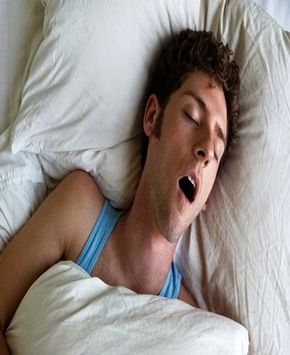
However, getting a good night’s sleep is easier said than done if you are someone suffering from a sleep disorder known as sleep apnea. Those with sleep apnea often snores but not all snorers have sleep apnea. What’s scary about this situation is the breathing pauses that characterizes sleep apnea. You stop breathing because your brain is in a dilemma whether to breathe or sleep, which is why you drift on and off in sleep although not all those with sleep apnea remembers these constant awakenings. It is even a major discomfort to the person sleeping beside them as the snoring is so loud they lose just as much sleep as the one with sleep apnea.

Diseases often present themselves differently in men and women. Not separating the results means that the symptoms most common in men during clinical trials are the ones that get more attention in popular medical studies. As such, doctors misdiagnose women because our symptoms for certain ailments don’t match the symptoms doctors are taught to look for. This frustrating fact holds true for sleep apnea, a common sleep disorder in which people experience one or more pauses in breathing and shallow breathing while sleeping. One in five Americans have mild obstructive sleep apnea (OSA). Folks with sleep apnea stop breathing in their sleep, and, spoiler alert, we need to breathe to live. But women with sleep apnea are misdiagnosed with depression, hypertension, and hypochondria, among other things, and it's a huge issue. Being misdiagnosed can cause women to not get the treatment they need.

(Via: https://www.bustle.com/p/what-does-sleep-apnea-feel-like-why-this-sleep-disorder-is-often-misdiagnosed-in-women-2980844)

People tend to ignore sleep apnea because many have been known to snore for ages and it’s become that annoying some people just have. Some possibly even die from it without knowing it was their sleep apnea that caused their death since they likely haven’t consulted a doctor regarding this condition. The symptoms are really quite bothersome, though, and waking up gasping for air is not new to these people. Imagine living in a constant 50/50 situation each night because of sleep apnea.

These are some of the most common and most noticeable symptoms associated with it:

Noticeable interruptions in breathing: The most noticeable sign of sleep apnea is the hallmark of the condition: a noticeable interruption in breathing. You won’t be awake to notice this for yourself, but if you record yourself or have someone watch you, there may be significant pauses in your breathing pattern. If this happens intermittently, you almost certainly have sleep apnea.

Snoring: Snoring by itself is not another indication, but the symptoms of both sleep apnea and snoring are caused by similar underlying root causes. If you know you snore frequently, you could be at higher risk.

Fatigue: Sleep apnea interferes with your ability to sleep ordinarily. If you wake up feeling fatigued or have less energy than usual, it could be a sign that your sleep has been interrupted throughout the night.

(Via: https://www.praguepost.com/lifestyle/sleep-apnea)

These are just some of the symptoms of sleep apnea and these alone can make you lose more sleep and predispose you to more health problems when not addressed right away. The usual treatment is CPAP but compliance is low since it is very inconvenient to use than those prescribed with it stop using the machine after a few days or weeks of use. This can possibly explain why CPAP is not for everyone: https://snoringmouthpiecereview.org/why-a-cpap-machine-is-probably-not-for-you.

The inconvenience in the use of CPAP is no excuse, though, to skip treatment if you still want to live long. You have other options to choose from like a https://snoringmouthpiecereview.org/zquiet that works similarly to CPAP but minus all the hassle that CPAP brings.

Life With Sleep Apnea was initially published to https://snoringmouthpiecereview.org


source https://snoringmouthpiecereview.org/zquiet/life-with-sleep-apnea

Wednesday, 14 February 2018

Avoid These Foods To Sleep Better At Night

Sleep becomes more of a luxury as you age. You may hate it as a young child but you soon realize its importance once many of the things you now do as an adult takes too much of your time and you have little time left to sleep. Such an irony, indeed. We may always put the blame on technology because it is indeed a major distraction on just about every aspect but don’t forget that there are other things you also do that has a negative impact on the quality of your sleep. Think about the food you eat and the time you eat them. Eating greasy, salty or sweet foods too close to bedtime can keep you tossing and turning at night and unable to sleep, not even a wink.

Think about it, it is basically your fault why you are unable to drift off to slumber once nighttime falls. Your stomach is full of unhealthy foods that take some time to get digested and give you a sugar rush you do not need when you should be preparing for sleep already. So, what should you do? It is pretty obvious. Avoid eating certain foods that are known stimulants and will keep you tossing and turning until the wee hours of the morning.

The wrong late-night snack choices can add to your weight and subtract from your sleep.

“It works both ways. A healthy diet improves the quality and duration of your sleep. And adequate sleep improves the quality of your diet by curbing hunger hormones,” explains Brigid Titgemeier, MS, RDN, LD.

Here, our dietitians list four types of snacks to avoid when you’re looking at options late in the day:

  1. Snacks that address boredom vs. hunger

“Having ‘something to do’ while you watch TV is not a good reason for eating,” says Kristin Kirkpatrick, MS, RD, LD. “You’re only addressing your boredom.”

Ideally, to maintain your waistline, it’s best to eat all your meals before 6 p.m., she notes.

If you’re not truly hungry, “a late-night snack is a waste of fuel at the end of the day,” she says.

  1. Snacks that are loaded with carbs

One of the worst offenders is cereal and milk. That’s because it’s hard to control how much you eat.

“Cereal is loaded with carbs, especially if sweetened — and let’s be honest, it typically is,” says Julia Zumpano, RD, LD.

(Via: https://health.clevelandclinic.org/2017/10/4-late-night-snacks-that-wreck-your-diet-and-sleep/)

Take care of your body and you won’t have a problem with it, especially in your youth. Sleep will come naturally because your body observes a natural circadian rhythm that tells your body when to get that needed shuteye and when to wake up in the morning. But if you don’t care for your body well and decide to feed it with unhealthy stuff, you have no one else to blame but yourself for whatever sleep problems you experience now and then.

There’s also a connection between sleep and how we metabolize food. Diet and food choices help regulate our circadian rhythm, the roughly 24-hour cycle that our body follows each day, Kristin Eckel-Mahan, PhD, Assistant Professor at the Center for Metabolic and Degenerative Diseases at The University of Texas Health Science Center of Houston, says. Our circadian rhythms keep our body clock running on time, which in turn keeps all of our bodily functions running on schedule — such as falling asleep at night, waking up in the morning, feeling hungry when we need energy and metabolizing the food we eat.

That means behaviors like shifting our eating patterns or altering what we eat drastically (like switching to a very high-fat diet) can actually reprogram the various clocks our body runs on, Mahan says, “putting them on a different time zone than the master circadian clock in the brain [which controls sleep].”

(Via: https://www.nbcnews.com/better/health/how-what-you-eat-affects-how-you-sleep-ncna805256)

As much possible, refrain from eating anything heavy or unhealthy a few hours before retiring to bed. Give your body enough time to digest the food before saying good night. Sleep allows your body to recuperate from the all the stresses of the day and recharges your tired body so you have enough energy to last you another day. You can only do that if you eat the right food your body should have and not just eat anything you like or give in to your cravings. Overeating, for instance, has been known to lead to poor sleep quality, so try to resist the temptation to munch on something and wait for breakfast to satiate your hunger instead.

While we are on the topic of sleep deprivation, a sleep disorder is also a factor why you lose sleep. Sleep apnea is often the first comes to mind because a lot of people have it especially the snorers. However, not everyone is thrilled at the thought of using a CPAP because of this: https://snoringmouthpiecereview.org/why-a-cpap-machine-is-probably-not-for-you, so compliance is low and leads to the worsening of sleep apnea. Another management option is a handy anti-snoring device like https://snoringmouthpiecereview.org/snorerx that works like CPAP minus all the hassle. It’s convenient to use, effective, and more affordable than conventional treatments aside from being non-invasive. Sleep like a baby once more with a gadget like this to keep you from snoring again.

Avoid These Foods To Sleep Better At Night is republished from The Snoring Mouthpiece Review Blog


source https://snoringmouthpiecereview.org/sleep-health/avoid-these-foods-to-sleep-better-at-night

Thursday, 8 February 2018

Unique Ways To Treat Sleep Apnea

Sleep apnea is more than just the loud snoring sound you hear from your old uncles and grandpas. Snoring may be the first thing we notice but there is a real danger with this sleep disorder. Aside from depriving you of your much-needed snooze, it actually deprives your body of oxygen as the airway is blocked in your slumber that leads to breathing gaps and eventually delivers less oxygen to your body. Imagine patients with sleep apnea as individuals who literally stop breathing in their sleep once their eyes close for the night. You can actually die in your sleep without you knowing about it if you have sleep apnea. It may be painless but it sure is scary now knowing whether you’d be able to wake up tomorrow after you tuck yourself in bed the night before.

Hence, it is a must to get yourself checked by a doctor if you think you may be suffering from this condition. Snoring and daytime sleepiness is a good indicator. If you are always drowsy during the day and still feel lethargic even after sleeping at least eight hours each night, then it might mean one thing: you may have sleep apnea. Get yourself checked by a doctor right away because your body continuously suffer if you allow yourself to be deprived of oxygen every single night and the stress of those breathing gaps can eat you up alive as well.

After his failed surgery, Rinando was referred to Dr. Yosef Krespi, a surgeon at Lenox Hill Hospital in New York who performs surgery using a Flex Robotic System to treat cases of sleep apnea.

The robot is designed to navigate the body's natural twists and turns so tissue can be removed or repaired safely and efficiently. High definition cameras on the robotic equipment can give surgeons a look into the throat with high definition cameras and magnification.

“The robotic equipment can go in multiple directions and is much more effective than the surgeon’s hand,” Krespi told Fox News. “The robot itself is no bigger than my thumb and that gets into the oral cavity in an appropriate position and it’s flexible, similar to a snake.”

(Via: http://www.foxnews.com/health/2018/01/16/sleep-apnea-treatment-uses-snake-like-surgical-robot.html)

Surgery may be required but not all the time patients are advised to go under the knife. CPAP is the first treatment plan that comes to mind although many are not a fan of it https://snoringmouthpiecereview.org/why-a-cpap-machine-is-probably-not-for-you. You don’t have to wonder why after seeing how you would like strapped into it in your sleep. With the advanced technology that we now have, we are seeing more innovative treatments for it. Even the use of robots is now possible and some have already even experienced this first-hand.

In a study in Sleep (7 November 2017), researchers explored the efficacy of dronabinol, a cannabinoid primarily used to treat nausea and vomiting in people receiving chemotherapy. They randomly assigned 73 patients with moderate or severe OSA to placebo, dronabinol 2.5mg or dronabinol 10mg to be taken one hour before bed for up to six weeks.

They found that both doses of dronabinol significantly reduced apnoea/hypopnoea index scores compared with placebo, by 10.7±4.4 and 12.9±4.3 points, respectively, from 25.9±11.3 at baseline. Patients assigned to dronabinol 10mg also reported greater overall treatment satisfaction.

The team said the results indicated the potential of dronabinol for treating OSA, but larger clinical trials will be needed to clarify the use of cannabinoids for the condition.

(Via: https://www.pharmaceutical-journal.com/news-and-analysis/research-briefing/cannabinoid-treatment-shows-potential-in-obstructive-sleep-apnoea/20204209.article)

Experts don’t even limit the possibilities and even look into the use of cannabinoids in addressing sleep apnea seeing how effective this humble weed is in treating a wide range of chronic and debilitating diseases. As long as medical cannabis use is legal in your state and your doctor has given the go signal, don’t be afraid to explore your options and see what works for you. If it fails to deliver, you still have handy anti-snoring mouthpieces to save you from your misfortune. Take your pick from the countless brand in the market today. If you can’t decide, https://snoringmouthpiecereview.org/good-morning-snore-solution is a great choice for starters that can save your life while you are deep in slumber without costing you a fortune.

Unique Ways To Treat Sleep Apnea is republished from SnoringMouthpieceReview.org


source https://snoringmouthpiecereview.org/good-morning-snore-solution/unique-ways-to-treat-sleep-apnea

Sleep Gadgets For The Sleep-Deprived

Time and again we have heard how technology has left the majority of the population sleep-deprived. Perhaps, no one will argue about that considering how many can no longer take their eyes away from their smartphones or laptops anymore as they keep themselves updated on the online world. Virtual life has become synonymous with real life and most can no longer distinguish the boundaries between the two that a lot of people give up sleep in order to satiate their #FOMO or fear of missing out. The popularity of social media is also a big factor why everyone is so obsessed with technology. Everyone's using it and it proves helpful at times too.

Now, what will you do if you find out can work the other way around. Instead of making you constantly lose sleep, this time technology will make sure you get a good night’s sleep every single day because you deserve nothing less. Now, we’ve heard about wonder pillows and mattresses that let you sleep like a baby but are pro-sleep technologies limited to these things alone? It’s high time we find out.

Shepherd Blue sleep tracking headband

The Shepherd Blue headband sends two different frequency noises through your ears, which causes the mind to perceive a third tone as an auditory illusion. This process is called binaural beats, and scientists have started to find evidence that it could improve your mood and sleep.

The headband is also sleep tracker — it measures your body positions, cycles, and sleep quality. Plus, a Business Insider writer had some vivid dreams when she tested out.

2breathe chest strap

Deep breathing can help you cope with stress — even the Apple Watch has an app to encourage you to breathe better. But the 2breathe sleep monitor will help you regulate your breath as you fall asleep.

The 2breathe unit sits on your chest — attached by a strap — and measures your respiration rate. The device is linked to an app on your phone via BlueTooth, which will sync to your breath. It guides you to breathe more deeply by playing tones through your phone — just follow along to relax your mind and body. The app will turn off when it detects you’re asleep.

(Via: http://www.nigeriatoday.ng/2017/10/tech-gadgets-9-gadgets-that-will-help-you-sleep-better/)

When it comes to sleep health, tracking plays a big part in ensuring you enjoy better quality sleep than most people do. The use of binaural beats is also effective as it generally improves your mood, which helps with sleeping faster and deeper. Breathing plays a big role in your sleep too. The frequent breathing pauses associated with sleep apnea is a major factor why patients with this condition are chronically sleep-deprived but not anymore. Give at least these two products a try and begin to experience better sleep that you have been missing out on for so long.

In a nutshell, it looks exactly like a standard AC wall outlet and plugs right into the wall. It's only about 1-inch deep and allows you to use the power ports as a pass-through outlet for lamps, chargers, whatever.

To set it up, download the free Nightingale sound app (iOS and Android) and follow the onscreen instructions, which include setting up a quick account. You get the choice of using Bluetooth or Wi-Fi, both worked well, but you'll get a little more range with Wi-Fi.

The app sets the system up for your room, including a schedule and a few specific conditions for creating the right sound blanket. Among the setup preferences are choices to neutralize snoring or the right sounds for a youth's bedroom. Sounds include crickets, loons, whale songs, rainstorm or my choice of lakeshore.

(Via: https://phys.org/news/2017-08-gadgets-environment.html)

You can sleep more soundly at night by setting the perfect ambiance that is conducive for sleeping. For some, this isn’t just possible because of the location of their house or the fact that they are sharing the room with other people. With the help of the nightingale smart home sleep system, you’ll be able to sleep through the night without a fuss unlike before since you'll no longer be bothered by the noise made by others and it induces the perfect setting to make you drowsy and fall asleep sooner. Hearing about these products will make you think tech experts got something right after all and not just be the cause of your sleep woes and that of a million others.

However, if your problem is a health condition such as sleep apnea, merely using pro-sleep technologies like these are not enough to address the disorder. What you need is something prescribed by doctors that are proven to address sleep apnea without being too much of a hassle to your life like these two anti-snoring mouthpieces: https://snoringmouthpiecereview.org/zquiet and https://snoringmouthpiecereview.org/vitalsleep. Losing sleep or compromising your health will no longer be a problem for you from now on.

Sleep Gadgets For The Sleep-Deprived is courtesy of TSMR


source https://snoringmouthpiecereview.org/zquiet/sleep-gadgets-for-the-sleep-deprived

Friday, 2 February 2018

A Technology That Is Pro-Sleep

Sleep is crucial to good health and to stay sane in this crazy high-tech world we live in now. Without it, we do even crazier things and get sicker by the day. Technology is one major culprit. We like to think our lives became easier and more convenient because of the numerous devices we are using that are supposed to help get things done faster and better yet end up taking too much of our precious time without us minding the distraction that it is. Yes, technology can be nasty but it depends on the technology. We can’t discriminate all because there are those that can benefit you, unlike most gadgets that you know of today.

The first thing that comes to mind when you think of sleep is your comfy bed where you can temporarily forget about your worries even for just a few hours. But this time, we are talking about a bed unlike any other. It is specially designed to provide you the comfort and support you need to help you fall asleep quicker and stay asleep until you get your recommended eight hours of sleep daily that all of us need to live long and healthy. Now, knowing that there is such a mattress that can save you from another sleepless night, would you hesitate to buy one or take advantage of this opportunity to sleep like a baby once more as soon as you hit the sack?

To go a little deeper into Casper's highly engineered materials, which are deliberately designed to aid a good night's sleep, here's more about their different layers. Each one is made with Polyurethane foam (also known as memory foam), with an incredible and unique molecular structure.

The foam is made up of tiny little microscopic cells that are filled with air and vary in both size and shape. Each cell is made up of struts, which offer support, and windows that take up the space between each strut. Each window can be open, closed, or somewhere in between, due to the fact air is pushed out of the cells when they’re compressed.

Not only does this mean you can get a 10-inch thick mattress into relatively small packaging, it also means that the foam is able to spread your weight across a much larger surface area - rather than a few specific points like you’d find with a spring mattress.

(Via: http://www.gizmodo.co.uk/2017/10/the-new-technology-thats-helping-people-sleep/)

It actually has four layers that evenly spread out to accommodate your weight that memory foams are known for. Sleeping on one is the best possible feeling one can get that you’ve probably been missing out on for years. It’s not just an ordinary bed but a mattress made of polyurethane foam, whose tiny little cells that are of various size fill up with air and support you in your sleep.

A new wave of sleep devices promises to use high-end sensors and science-backed analysis to improve sleep. The problem? Sleep is tricky to improve. If you haven’t hit your recommended 10,000 steps a day, you can go for a walk. Simple. If you haven’t slept a solid eight hours, you can make changes, but they won’t guarantee success. And the more you worry about losing sleep, the more likely you are to lose sleep. Anyone else feeling tired already?

It’s neat to bundle devices up under the umbrella of ‘sleep tech’, but there are different types and it can be hard to keep track. From wearable trackers and bed trackers, to lamps that send you to sleep or wake you to the sound of fake birds, as well as a whole range of one-off devices in between.

(Via: https://www.t3.com/features/sleep-mode-activate-powering-up-the-latest-tech-tech-that-promises-a-good-nights-sleep)

From mattress to pillows, to trackers and light, the market is full of pro-sleep technologies for the masses that are sleep-deprived. You can easily get back on lost sleep and use technology the right way, a complete opposite of what you are doing right now where you let technology run your life and cause you to lose sleep as you can’t seem to put your smartphone down or continue to surfing the web even if it is already past your bedtime. Technology can work to your advantage if you learn to use the right technology and not just the ones that bring you satisfaction even at the point of endangering your health.

However, if you happen to be suffering from a sleep condition like sleep apnea that won’t just go away by sleeping on a special mattress but needs medical attention, you can use https://snoringmouthpiecereview.org/good-morning-snore-solution or https://snoringmouthpiecereview.org/sleeptight that are just as effective as conventional treatment that is CPAP in managing the disorder without making sleeping so unbearable.

The blog article A Technology That Is Pro-Sleep See more on: https://snoringmouthpiecereview.org


source https://snoringmouthpiecereview.org/sleeptight/a-technology-that-is-pro-sleep

Saturday, 27 January 2018

The Growing Demand For Sleep Testing

Sleep disorders are becoming more common right now for a lot of reasons. Technology is the major contributor why an increasing number of people end up sleep deprived. These sleek and shiny gadgets take too much of our time and we don’t mind a single minute of it and we tend to push our bedtimes further into the wee hours of the morning. Then, there are medical conditions that make one lose sleep as well. Examples of which are sleep apnea and other sleep disorders that lessen snooze hours day by day by day. There are actually more sleep clinics now than there was in the past and it allowed people to get treated for whatever is bothering them in their sleep or the lack of it, so they remain a productive member of society.

Meanwhile, there are people who do not want to spend a night in a cold and foreign room in a sleep clinic when there are products right now that enables you to conduct sleep testing on your own. One factor why people choose to do this without professional help is because their insurance policy does not cover a stay in a sleep clinic. Yet the fact remains that you don’t need to suffer in silence anymore over your lack of sleep or bother other people with your loud snoring or frequent awakenings at night.

Sleep testing services are heavily adopted by people, which is expected to fuel the market growth in future. However, encouraging reimbursement policies is also contributing to the global market growth. Increasing occurrences of sleep disorders is another factor positively impacting the global market growth. Moreover, private insurance service providers also enhance the market growth in a positive way. However, the high cost required to set up sleep testing services is the restraining factor for the growth of the market.

The global sleep testing services market is segmented on the basis of end-use applications as home care settings, hospitals, clinics, sleep centers and others. Of this, clinics segment is the leading segment in the sleep testing services market. Based on service type, the global market is divided into treatment monitoring and diagnostic services. The diagnostic services for sleep testing segment are further sub-segmented as home sleep testing and in-lab sleep testing. Of this, in-lab sleep testing segment grabs the largest market chunk. 

(Via: http://silverpinyon.com/sleep-testing-services-market-revenue-projected-to-go-up-by-2016-2024-1088.html)

It’s high time that we recognize and diagnose sleep disorders for what they are and not simply as a symptom of another medical condition. It is one of the reasons why sleep deprivation becomes a chronic problem because it rarely gets treatment as most people overlook the danger it brings. Sleep apnea is not the only condition it can diagnose but as well as insomnia, narcolepsy, or a sleep behavior disorder. After all, diagnosis is the first step to management and recovery.

Reinoso sends patients home with a machine that can diagnose the majority of patients from home.

“With that, we can determine how many times you stop breathing, for how long, how low your oxygen goes, if you stop breathing because you've got obstruction intermittent in your throat, which is the most common form of sleep apnea or if you stop breathing because essentially your brain doesn't send the signal. You can tell this is obstructive sleep apnea, it will tell you how often you snore, it will give you an idea how bad you snore, and it will tell you essentially whatever we're interested,” Reinoso explained.

After diagnosis, a memory card inside the machines patients sleep with will help Reinoso monitor sleep patterns and even adjust the flow of oxygen from in his office, without seeing the patient.

Juarez has been using the machine for two years now. It's small, silent and there hasn't been one day that he regrets using it.

(Via: https://www.click2houston.com/health/how-to-test-for-sleep-apnea-at-home)

One more thing that patients can do aside from sleep testing is managing their sleep disorder like sleep apnea even without the use of bulky or complex machines that are often used in sleep clinics to put an end to their loud snoring and reduce the dangers posed by sleep apnea by using handy anti-snoring mouthpieces such as https://snoringmouthpiecereview.org/good-morning-snore-solution or an equally great device https://snoringmouthpiecereview.org/zquiet and help patients beat the condition for real. If you suffer from sleep apnea and not a big fan of CPAP, these devices are the next best thing you can have that is also something you can afford and just as effective.

The Growing Demand For Sleep Testing Discover more on: The Snoring Mouthpiece Review Blog


source https://snoringmouthpiecereview.org/good-morning-snore-solution/the-growing-demand-for-sleep-testing

Monday, 15 January 2018

Overcome Trauma With Sleep

One of the most-hated pastimes for kids is to sleep; especially taking afternoon naps when they were younger. They just wanted to go out and explore the world around them. However, we gradually realize as we grow up how precious sleep is when we no longer have all the time in the world to just lie in bed and get some much-needed snooze. Family, school, and work obligations keep us from getting a good night’s sleep and it will only get worse with today’s technology becoming another sleep distraction we can’t resist. Instead of drifting off to sleep as soon as we hit the sack, we still tinker with our tech gadgets, surf the web, or log into our social media accounts to keep up-to-date with all the trends and not miss out anything important (according to you).

Sleep is a recuperative process. Do not ever forget that. It exists not only to give us a breather from the daily stresses of life but to also give our body ample time to heal from all the labors it had to endure of the daily grind. Your body needs it and it will ask for it when it needs one. Don’t just simply drink more coffee or soda or eat chocolate when you start yawning in the middle of the night or the wee hours of the morning because it is your body’s way of telling you to take some rest and head to dreamland for some respite from your reality.

High quality sleep patterns make the brain better prepared to handle potentially traumatic events in the near future, according to a new study.

That could be particularly useful in dealing with PTSD - post-traumatic stress disorder - cases, such as among the services.

It is already known that PTSD results in disturbed sleep patterns but the latest research suggests better sleep could be a prevention to suffering in the first place.

The key is the quality rather than the amount of shut-eye.

More time spent in REM (rapid eye movement) slumber, the kind of deep sleep that leads to dreams, saw a reduction in the production of a chemical called norepinephrine.

(Via: http://www.express.co.uk/life-style/health/870528/Sleep-health-Getting-good-nights-kip-help-cope-with-traumatic-events)

What most people fail to realize is that sleep does more wonder for our bodies aside from just revitalizing us with renewed energy and mental clarity and focus. It’s also been found out in a study that high-quality sleep helps combat traumatic experiences such as PTSD. And it is not just because the person bets to rest but quite highly scientific in nature and have to deal with the reduction of the production of norepinephrine. You no longer need to undergo lengthy counseling and take lots of medicines to overcome trauma when sleep alone can do that for you.

Better sleep primes your brain to be less fearful, new research shows.

While poor sleep has long been seen as a symptom of trauma and anxiety, the findings from Rutgers University show short and erratic shut-eye could also be a trigger for fear.

Through brain scans and sleep-monitoring exercises, the researchers found consistent quality sleep decreased activity in the brain regions involved in fear learning.

Experts say this evidence shows soldiers' sleep patterns should be monitored before entering war zones, to decrease their risk of post-traumatic stress disorder.

(Via: http://www.dailymail.co.uk/health/article-5009483/Poor-sleep-makes-FEARFUL-increase-risk-PTSD.html)

You gradually learn to have fewer fears as you continue to enjoy better sleep. It’s not just simple sleep but the ability to sleep in the REM phase for longer is what’s most notable among people who experienced fewer fears and depression. You do not have to be a genius to put the two together and come up with the realization that sleep alone is beneficial for individuals who have been through so much stress and trauma.

However, there is one sleeping disorder that prevents you from enjoying or even attaining that REM-phase of sleep and that is sleep apnea. Overcome sleep apnea with the help of a handy anti-snoring gadget like https://snoringmouthpiecereview.org/good-morning-snore-solution or https://snoringmouthpiecereview.org/snorerx, so you can likewise overcome trauma. It is one domino effect you won’t mind experiencing for yourself.

Overcome Trauma With Sleep is available on SnoringMouthpieceReview.org


source https://snoringmouthpiecereview.org/snorerx/overcome-trauma-with-sleep